 comparison
Invisa-RED Laser Treatment Cost: What to Expect
Table of Contents
- What Invisa-RED Treatment Is and How It Works
- Invisa-RED Treatment Cost: Pricing Factors and What Drives Variation
- Invisa-RED Treatment Sessions: Number and Frequency
- Invisa-RED vs Red Light Therapy: Key Differences
- Invisa-RED Treatment Reviews: What Real Patients Report
- How to Calculate Your Total Invisa-RED Investment
- Questions to Ask Before Committing to a Treatment Package
- Frequently Asked Questions
Last Updated: October 16, 2026
What Invisa-RED Treatment Is and How It Works
Invisa-RED laser treatment cost varies with how many sessions you need and the size of the area treated. To calculate your total investment, you first need to understand what the technology does and why pricing differs between providers.
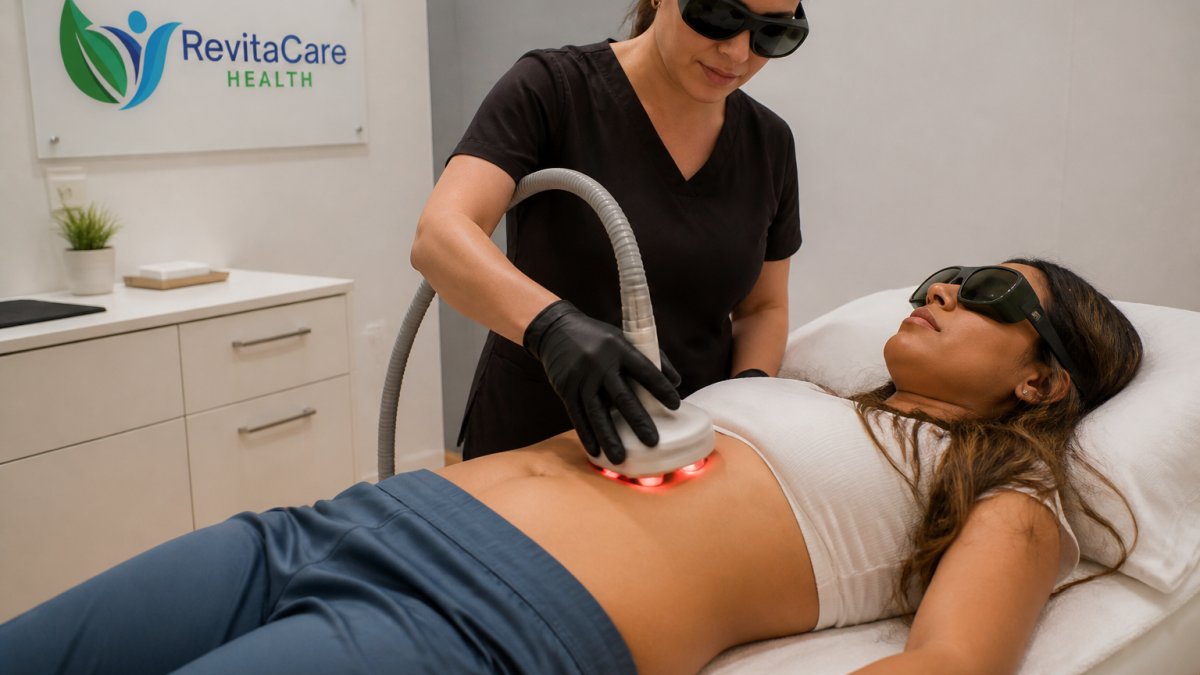
Invisa-RED is a non-invasive body contouring system that uses dual wavelengths of laser light, red and infrared, to target fat cells and support the body's natural fat-reduction processes. Unlike surgical liposuction, there's no downtime, no incisions, and no recovery period.
The treatment is designed to stimulate cellular activity within fat cells, potentially supporting weight reduction and inch loss without surgery or medication.
The Technology Behind Dual Wavelengths
The Invisa-RED system combines two wavelengths of laser light: 680 nanometers (red light) and 980 nanometers (infrared light). Each penetrates tissue at a different depth, reaching fat cells while minimizing impact on surrounding skin and tissue.
Red laser light affects cells closer to the skin's surface, while infrared light penetrates deeper. Together, these dual wavelengths support fat reduction across multiple tissue layers.
This dual-wavelength design distinguishes Invisa-RED from basic red light therapy devices. The technology is FDA-cleared for non-invasive body contouring, meaning it has met specific safety and efficacy standards for this use.
How Red and Infrared Laser Light Affects Fat Cells
The mechanism centers on cellular respiration: the laser wavelengths are absorbed by mitochondria in fat cells, potentially stimulating metabolic activity and supporting the body's natural ability to reduce fat deposits in targeted areas (Photobiomodulation therapy with light-emitting diode in stimulating adipose tissue...).
The treatment also aims to support lymphatic function and circulation in the treated area, which many patients say contributes to their overall results, though individual responses vary.
One important distinction: Invisa-RED does not destroy or permanently eliminate fat cells. It supports the body's natural processes for reducing fat in specific areas, which is why maintenance sessions are often recommended after an initial series.
Invisa-RED Treatment Cost: Pricing Factors and What Drives Variation
Understanding invisa-red laser treatment cost requires knowing what factors providers consider when setting rates. Pricing is driven by treatment variables that affect the time and resources required.
Some providers publish pricing while others require a consultation. Pricing for Invisa-RED sessions varies, and some providers may list intake appointments separately.
Single-Session vs. Package Pricing
Most providers offer individual sessions and multi-session packages. A single session lets you try the treatment without commitment, while packages typically offer better per-session pricing when you commit upfront.
Six- and twelve-session packages are common. The per-session cost is usually lower than paying individually, but the total upfront investment is higher.
Treatment Area Size and Session Duration
The area treated directly affects your invisa-red laser treatment cost. A small area like the chin or upper arms takes less time and fewer laser resources than a larger area like the abdomen or thighs.
Sessions typically run 20 to 40 minutes depending on area size. Larger areas require longer sessions and may cost more per visit; some providers charge by area size, others by session duration.
Multiple treatment areas compound the cost: addressing both your abdomen and thighs means longer sessions or additional visits.
Invisa-RED Treatment Sessions: Number and Frequency
The number of sessions you need is one of the biggest variables in your total invisa-red laser treatment cost, and where many patients underestimate their investment.
Most providers recommend a series rather than a single session, since the body's response unfolds over time and multiple sessions allow cumulative effects to develop.
Recommended Treatment Plans
A typical initial series is six to twelve sessions. Some patients see results after four; others benefit from the full twelve before deciding whether maintenance is needed.
Sessions are usually scheduled one to two weeks apart, giving the body time to process the treatment and respond. Scheduling them too close together doesn't improve results.
After the initial series, many patients opt for maintenance sessions every four to six weeks to sustain their results.
| Treatment Phase | Typical Sessions | Frequency | Purpose |
|---|---|---|---|
| Initial Course | 6-12 sessions | 1-2 weeks apart | Build results and assess response |
| Maintenance | 1-2 per month | Monthly or bi-monthly | Sustain achieved results |
| Touch-up | As needed | Varies | Address new fat deposits or refresh results |
What to Expect During a Session
A session begins with an intake assessment: your provider discusses your goals, measures the treatment area, and takes baseline measurements to set realistic expectations and determine your treatment plan.
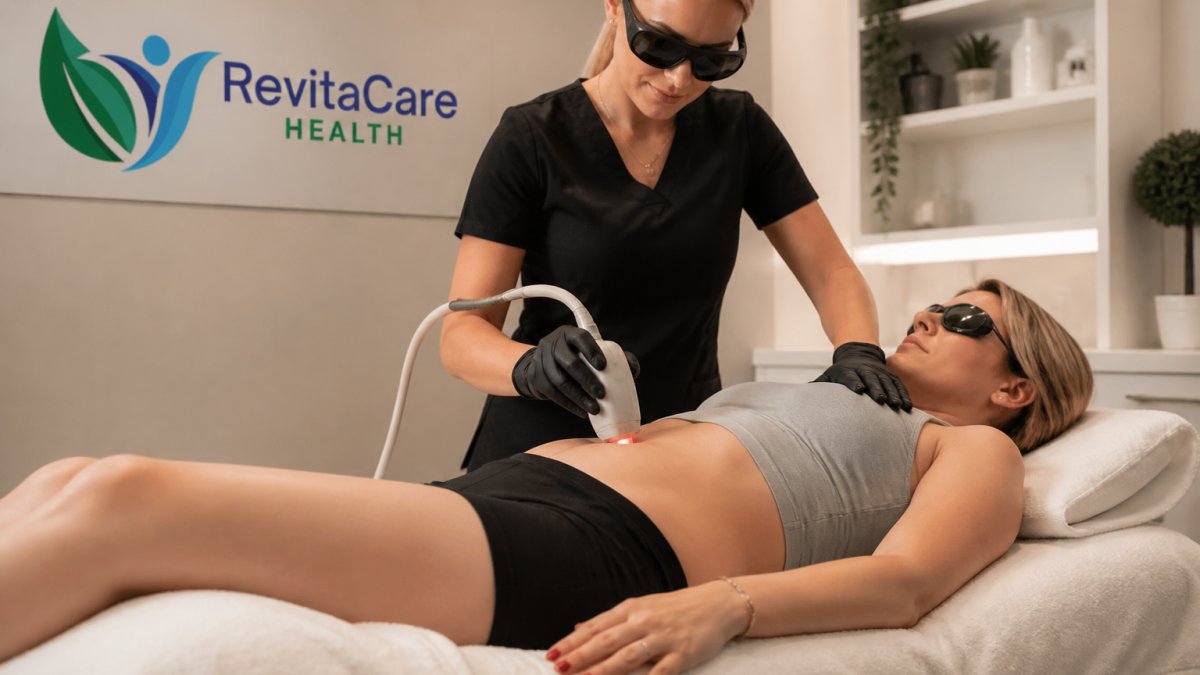
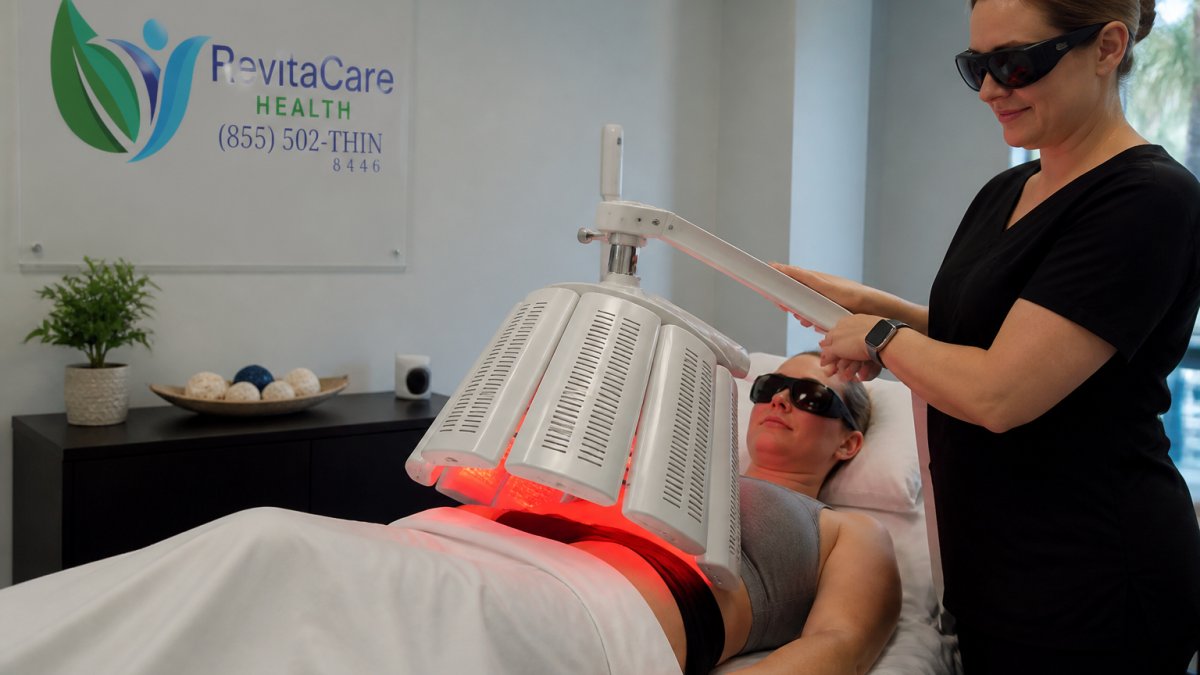
During treatment, you lie comfortably while the laser applicator is positioned over the target area. It's painless, most patients describe a warm sensation, and there's no numbing, injections, or discomfort.
After the session, you can immediately return to normal activities, with no recovery time, bandages, or restrictions. This is one reason busy professionals in the Tampa Bay area choose it, it fits into a lunch break or after-work schedule.
Most sessions take 20 to 40 minutes start to finish, depending on area size, with actual laser application typically 15 to 30 minutes.
Invisa-RED vs Red Light Therapy: Key Differences
Many people confuse Invisa-RED with basic red light therapy devices available online or at spas. While both use red and infrared wavelengths, they're fundamentally different in power, precision, and intended use.
Technology and Wavelength Specifications
Home red light therapy devices deliver much lower power output than clinical-grade Invisa-RED systems, and that difference directly affects what the treatment can accomplish.
Invisa-RED is a clinical-grade, FDA-cleared system designed specifically for non-invasive body contouring and fat reduction, delivering therapeutic-level laser energy in a controlled, professional setting. Home devices are generally marketed for skin health, circulation, and general wellness, not fat reduction.
The wavelengths are similar, but power output, treatment protocols, and clinical evidence differ substantially, which is why Invisa-RED is positioned as a medical-grade body contouring treatment rather than a wellness device.
Fat Reduction Claims and Clinical Evidence
The evidence shows Invisa-RED can support meaningful fat reduction in targeted areas, but results vary by individual. Metabolism, lifestyle, and how consistently you complete your series all influence outcomes.
Home red light therapy devices have some evidence for general benefits like circulation and skin health, but they're not clinically validated for the same fat-reduction outcomes as Invisa-RED.
This distinction matters when calculating your invisa-red laser treatment cost. You're investing in a clinical-grade treatment with established efficacy, not a general wellness device.
Invisa-RED Treatment Reviews: What Real Patients Report
Real patient experiences reveal what Invisa-RED delivers in practice. RevitaCare Health patients have shared outcomes that provide context for what you might expect.
Results and Inch Loss Outcomes
One patient reported: "After just a few sessions with Invisa-RED, I noticed my clothes fit better and my energy improved. The process was painless and quick."
Another shared: "In just one session, I lost almost an inch from my waist."
A third noted: "I had stubborn fat in my belly that just wouldn't go away. This laser targeted and removed so much fat."
These testimonials reflect common patterns: better-fitting clothes, measurable inch loss, and increased energy. Results aren't identical for everyone, though; response depends on starting point, consistency, and lifestyle factors.
Patient Experience and Recovery Time
One of the biggest advantages of Invisa-RED is zero recovery time: unlike surgery, there's no downtime, bandages, activity restrictions, or healing period.
Patients can return to work, exercise, and normal activities immediately, with no soreness, bruising, or discomfort afterward, which makes it attractive for busy professionals who can't afford weeks of downtime.
The treatment itself is comfortable, with a warm sensation but no pain, making it easy to stick with a recommended series without dreading each appointment.
How to Calculate Your Total Invisa-RED Investment
Calculating your total invisa-red laser treatment cost requires understanding every component of a complete course. Many patients focus only on per-session pricing and miss the bigger picture.
Intake Appointment and Initial Consultation
Your investment begins with an intake appointment, which some providers include in your first session and others charge separately.
During intake, your provider measures your treatment area, discusses your goals, and recommends a plan, setting realistic expectations about results, timeline, and total cost.
Multiple Treatment Areas and Maintenance
Treating multiple areas, such as the abdomen and thighs, increases your total cost: you may need longer sessions or additional sessions dedicated to each area.
Maintenance sessions extend your investment beyond the initial series. After six to twelve initial sessions, most patients benefit from one to two maintenance sessions monthly to sustain results.
Over a year, a complete Invisa-RED program, initial series plus maintenance, represents a meaningful investment. Understanding this upfront helps you budget appropriately and avoid surprise costs.
Here's a practical framework for calculating your total investment:
- Intake appointment: (may be included in first session)
- Initial treatment series: 6-12 sessions at per-session or package rates
- Maintenance sessions: 1-2 per month for ongoing results
- Total annual investment: Initial series plus 12-24 maintenance sessions
Questions to Ask Before Committing to a Treatment Package
Before purchasing a package, clarify these critical details with your provider:
About Pricing:
- What's included in the package price?
About Results:
- What realistic outcomes should I expect for my specific body type and treatment area?
- How many sessions typically show visible results?
- What if I don't see results after completing the package?
About Treatment:
- How are treatment areas measured and documented for consistency across sessions?
- Will the same provider treat me each time, or might I see different practitioners?
- What happens if I need to reschedule sessions?
About Your Candidacy:
- Am I a good candidate for this treatment based on my health history and body composition?
- Are there any conditions or medications that would affect my response?
At RevitaCare Health, we believe informed patients make better decisions, and our team answers these questions thoroughly during your consultation so you understand exactly what your investment covers and what results to expect.
If you've been struggling with stubborn fat deposits resistant to diet and exercise, Invisa-RED offers a clinically proven, non-invasive alternative worth exploring. RevitaCare Health specializes in personalized Invisa-RED treatment plans tailored to your goals, combined with our holistic approach to weight loss and wellness. Get started with a consultation at RevitaCare Health and discover how Invisa-RED can support your journey toward a healthier, more confident you.
Frequently Asked Questions
How much does Invisa-RED laser treatment cost per session?
Invisa-RED laser treatment cost varies based on the provider, treatment area size, and whether you purchase individual sessions or packages. Contact your local provider for current pricing tailored to your specific needs.
How many Invisa-RED treatment sessions do I actually need to see results?
Most providers recommend a series of sessions rather than a single treatment. Six-session and twelve-session packages are common treatment plans. The exact number depends on your treatment area, desired results, and individual response to the laser light therapy. Your provider will assess your goals during an initial consultation and recommend a personalized treatment plan. Results typically become visible after several sessions as fat cells respond to the dual wavelengths of red and infrared laser light.
What's the difference between Invisa-RED and standard red light therapy for fat reduction?
Invisa-RED uses dual wavelengths, 680 nanometers of red laser and 980 nanometers of infrared laser, specifically designed for cellular respiration and fat cell reduction. Standard red light therapy typically uses only red wavelengths and is often marketed for skin health and general wellness rather than targeted fat reduction. Invisa-RED is FDA-cleared specifically for non-invasive body contouring and inch loss, with clinical evidence supporting its fat-reduction claims. The dual-wavelength technology allows deeper tissue penetration and more focused effects on stubborn fat deposits.
Do Invisa-RED results actually last, or do I need ongoing maintenance treatments?
Invisa-RED treatment results can be long-lasting. However, results depend on maintaining your weight and lifestyle after treatment. Some patients report that maintenance sessions, typically one or two per year, help sustain their inch loss and body contouring results. Your provider can discuss a maintenance schedule during your initial consultation based on your goals and how your body responds to the treatment.