 ultimate-guide
Common Causes of Stubborn Body Fat: A 2026 Guide
Table of Contents
- Why Stubborn Body Fat Resists Diet and Exercise
- Visceral Fat vs. Subcutaneous Fat: Understanding the Difference
- Hormones and Weight Gain: The Hidden Metabolic Factor
- Age, Muscle Loss, and Metabolism
- Sleep and Weight Management: Why Rest Matters
- How to Reduce Visceral Fat: Practical Approaches
- Beyond Diet and Exercise: When Professional Support Makes a Difference
- Frequently Asked Questions
Last Updated: October 12, 2026
Why Stubborn Body Fat Resists Diet and Exercise
Stubborn body fat is fat that persists despite consistent calorie reduction and physical activity. It accumulates in specific areas of the body and proves resistant to the typical diet-and-exercise approaches that work elsewhere. Understanding why this happens requires looking beyond simple calorie math.
The reality is that not all body fat behaves the same way. Some fat deposits respond quickly to lifestyle changes, while others seem locked in place. This isn't a matter of willpower or effort, it's biology. Hormonal shifts, aging, genetics, and metabolic changes all play roles in determining where your body stores fat and how readily it releases it.
The frustration is real, and it's rooted in physiology, not failure. The areas where stubborn fat accumulates tend to have fewer blood vessels, different receptor sensitivity, and hormonal influences that make fat mobilization slower than in other regions.
Visceral Fat vs. Subcutaneous Fat: Understanding the Difference
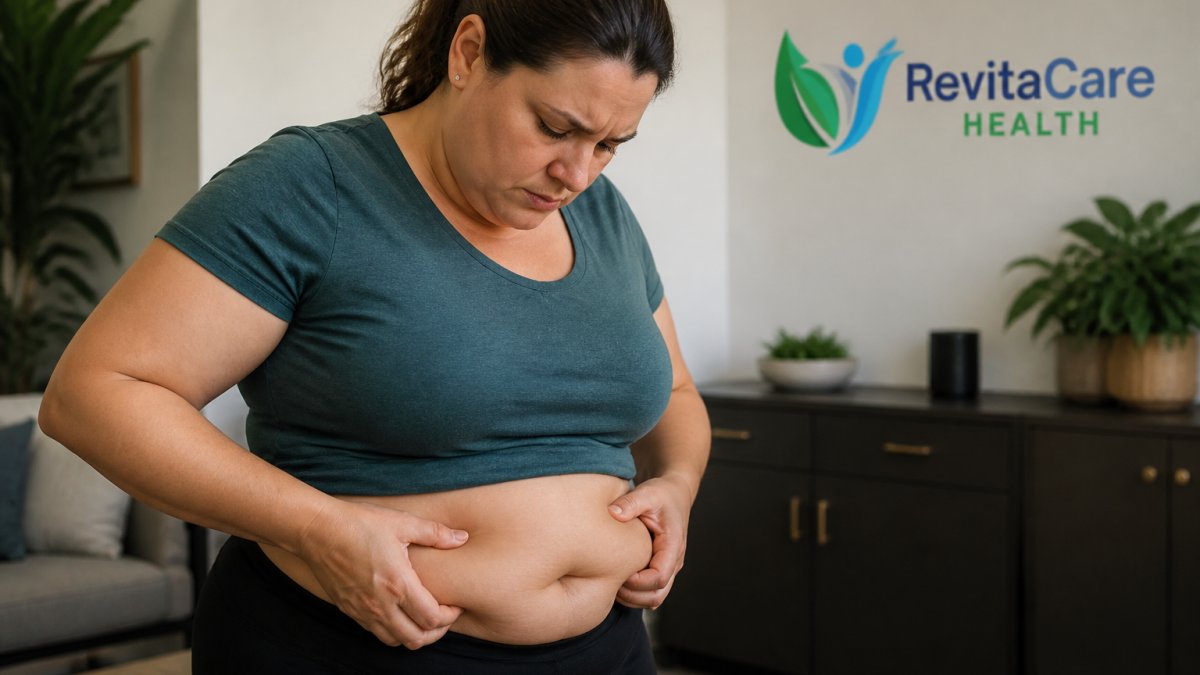
Visceral fat is stored deep inside the abdominal cavity, wrapped around organs like the liver, pancreas, and intestines. Subcutaneous fat sits directly beneath the skin, the soft, pinchable layer on your arms, thighs, hips, and belly. They look different on a scan, behave differently in the body, and carry very different health implications.
Visceral fat is metabolically active. It releases free fatty acids and inflammatory signals directly into the bloodstream and is closely tied to insulin resistance, elevated triglycerides, and cardiovascular risk. Because it drains into the portal vein, what it releases hits the liver first. Subcutaneous fat is far less metabolically active and is generally considered the safer of the two, even though it is the type most people can see and pinch.
Here is the part most articles skip: you cannot choose which fat your body burns first. Fat is mobilized through hormonal signaling, primarily through the action of lipases that respond to insulin, cortisol, and catecholamines, and that signaling is distributed across the whole body, not directed at one zone. Doing 500 crunches does not preferentially burn abdominal fat, and thigh exercises do not preferentially burn thigh fat. Research on spot reduction has consistently found that localized exercise builds the underlying muscle but does not strip fat from the overlying area.
That is why stubborn fat tends to sit in predictable places, the lower abdomen, the flanks, the upper arms, the inner thighs, and under the chin. These regions tend to have:
- Fewer blood vessels, so mobilized fat is carried away more slowly.
- A higher density of alpha-2 adrenergic receptors, which inhibit fat release, relative to beta-adrenergic receptors, which promote it.
- Different hormonal sensitivity, which is why the same deposit can respond quickly in one person and barely move in another.
Understanding this distinction matters for two reasons. First, it explains why scale weight can drop while a problem area looks unchanged, you are losing fat from elsewhere first. Second, it reframes the goal: instead of chasing a single stubborn zone, the practical target is lowering overall body fat while preserving muscle, which is what eventually changes the appearance of the areas that resist longest.

Hormones and Weight Gain: The Hidden Metabolic Factor
Hormones regulate appetite, energy expenditure, and fat storage patterns. When hormonal balance shifts, fat distribution often shifts with it. Estrogen, cortisol, insulin, and thyroid hormones all influence where and how readily your body stores fat.
As estrogen levels decline during perimenopause and menopause, many people experience a shift toward more abdominal fat accumulation. Cortisol, your stress hormone, can promote visceral fat storage when chronically elevated. Insulin resistance makes fat mobilization harder because elevated insulin signals your body to store rather than release fat. Even thyroid function affects metabolic rate and fat distribution.
These hormonal changes are not something willpower can override. A person with insulin resistance will struggle to lose weight in the same way someone with normal insulin sensitivity can, regardless of calorie intake. Similarly, someone with elevated cortisol from chronic stress will find fat loss more difficult, particularly around the midsection.
Age, Muscle Loss, and Metabolism
As you age, your body naturally loses muscle mass, a process called sarcopenia. Muscle tissue is metabolically active, meaning it burns calories at rest. When muscle declines, your resting metabolic rate declines with it, making weight maintenance harder and fat loss slower.
This metabolic slowdown compounds over decades. A person at 50 has a fundamentally different metabolic landscape than at 25, even with identical diet and exercise habits. The body also becomes less efficient at mobilizing fat from stubborn deposits as you age, partly due to reduced blood flow to those areas and changes in hormone sensitivity.
Strength training becomes increasingly important with age because it preserves muscle tissue and maintains metabolic rate. Without resistance work, the natural decline in muscle accelerates, making stubborn fat even more resistant to change.
Sleep and Weight Management: Why Rest Matters
Sleep deprivation disrupts hunger hormones and increases appetite-driving signals. When you're sleep-deprived, ghrelin (the hunger hormone) rises while leptin (the satiety hormone) falls (ncbi.nlm.nih.gov). This makes overeating more likely and makes adherence to any eating pattern harder.
Sleep also affects how your body mobilizes fat. During sleep, your body goes through metabolic processes that support fat breakdown. Chronic sleep loss impairs these processes and can shift fat storage toward visceral deposits. Additionally, poor sleep elevates cortisol, which as noted earlier, promotes abdominal fat accumulation.
The relationship between sleep and weight management is often overlooked in favor of diet and exercise focus, yet it's foundational. You cannot out-diet or out-exercise poor sleep. Aiming for 7-9 hours of consistent sleep is a practical step that supports fat loss and reduces the stubbornness of problem areas.
How to Reduce Visceral Fat: Practical Approaches
Reducing stubborn fat requires addressing the underlying drivers, not just cutting calories. The strategies below are the ones with the strongest evidence base, plus the medical factors that are easy to overlook.
Prioritize strength training. Resistance exercise preserves muscle mass and improves insulin sensitivity, both of which support fat mobilization. Aim for two to three sessions per week targeting major muscle groups, and progress the load over time. Muscle is metabolically active tissue, so protecting it protects your resting metabolic rate.
Manage stress and improve sleep. Chronic stress keeps cortisol elevated, and cortisol promotes visceral fat storage. Poor sleep raises ghrelin (hunger) and lowers leptin (satiety), making adherence to any eating pattern harder. Most adults do best with seven to nine hours of consistent sleep and a wind-down routine that lowers arousal before bed.
Refine eating patterns. Focus on whole foods, adequate protein, and stable blood sugar rather than extreme calorie restriction. Refined carbohydrates and added sugar promote insulin resistance and visceral fat accumulation. Processed foods high in sodium and unhealthy fats contribute to inflammation and metabolic dysfunction. A common pattern that works well is a protein-forward plate at each meal with fiber-rich vegetables and a modest portion of intact carbohydrates.
Increase daily movement. Beyond structured exercise, walking and general activity throughout the day improve metabolic health and fat mobilization. Non-exercise activity, standing, walking, taking stairs, can account for a meaningful share of daily energy expenditure.
Address underlying health factors. This is where many people get stuck. Several medical conditions and medications can make fat loss harder or shift fat distribution:
- Hypothyroidism slows metabolic rate and can blunt fat loss even when diet and activity are dialed in.
- Polycystic ovary syndrome (PCOS) is associated with insulin resistance and a tendency toward abdominal fat storage.
- Cushing's syndrome causes cortisol excess and characteristic central weight gain.
- Type 2 diabetes and prediabetes involve insulin resistance that makes fat mobilization harder.
- Certain medications, including some corticosteroids, some antidepressants, some antipsychotics, and certain diabetes medications, can promote weight gain or change where fat is stored.
If you have been consistent with diet and activity for several months and see little change, that is a reasonable signal to talk with a clinician. A basic workup can include thyroid function, fasting glucose and A1C, a lipid panel, and a review of your current medications. This is not about finding an excuse, it is about making sure the plan matches the physiology.
Set realistic expectations. Sustainable fat loss is typically gradual. Rapid drops are usually water and glycogen, not fat, and they tend to rebound. A slow, steady trend that you can maintain is more durable than a crash approach, and it is the one that actually changes stubborn areas over time.
Beyond Diet and Exercise: When Professional Support Makes a Difference
For many people, conventional diet and exercise approaches plateau. When that happens, professional support becomes valuable. RevitaCare Health offers personalized weight loss programs and non-invasive treatments designed to address stubborn fat that resists traditional methods.
Our approach combines assessment of your individual metabolic factors with targeted interventions. Invisa-RED laser treatments work at the cellular level to support fat reduction and inflammation relief, offering a solution when diet and exercise alone haven't delivered the results you're seeking. These treatments are pain-free, require no downtime, and can be integrated into a comprehensive weight management strategy.
The goal isn't to replace healthy habits, it's to support them. When your body's biology makes fat loss difficult, professional-grade treatments can help you move past the plateau.
Stubborn body fat is a real physiological challenge, not a personal failure. The causes range from hormonal shifts and aging to genetics and lifestyle factors like sleep and stress. When diet and exercise haven't delivered the results you want, RevitaCare Health can help. Our personalized weight loss programs and Invisa-RED laser treatments are designed specifically for people dealing with stubborn fat deposits. Learn more about non-invasive fat reduction options to discover how we can support your goals with clinically proven treatments that deliver real results.
Frequently Asked Questions
Why is stubborn body fat so hard to lose even with diet and exercise?
Stubborn body fat is resistant because it's often visceral fat or deposits in areas where your genetics and hormones direct storage. Age-related muscle loss slows metabolism, making fat harder to burn. Additionally, refined carbohydrates, processed foods, and high sodium intake can promote fat accumulation in specific areas. Hormonal shifts, poor sleep, and chronic stress further complicate weight loss by increasing appetite hormones and reducing your body's ability to burn calories efficiently.
How do hormones and weight gain connect?
Hormones regulate hunger, fullness signals, and where your body stores fat. Insulin resistance from excessive refined sugars and processed foods promotes abdominal fat accumulation. Cortisol, your stress hormone, drives cravings for unhealthy foods and belly fat storage. Estrogen and testosterone changes with age shift fat distribution. Thyroid hormones control metabolism, when they're imbalanced, weight management becomes significantly harder regardless of calorie intake or physical activity.
Can sleep and stress actually affect my ability to lose weight?
Yes. Poor sleep disrupts hormones that regulate appetite and satiety, making you crave processed foods and added sugars. Sleep deprivation also slows metabolism and reduces calories burned during rest. Chronic stress elevates cortisol, which promotes fat accumulation around the abdomen and increases hunger. Together, inadequate sleep and high stress create a cycle that makes weight loss resistant and sustainable lifestyle changes harder to maintain.
What's the difference between visceral fat and subcutaneous fat?
Subcutaneous fat sits under the skin and is what you can pinch. Visceral fat surrounds your organs deep in the abdomen and poses greater health risks, including increased risk of diabetes and high cholesterol. Visceral fat is more metabolically active and responds differently to diet and exercise. Both types can be stubborn, but visceral fat requires sustained changes in physical activity, diet quality, and stress management to reduce effectively.